
N9 Energy Surveys
N9 Energy Surveys
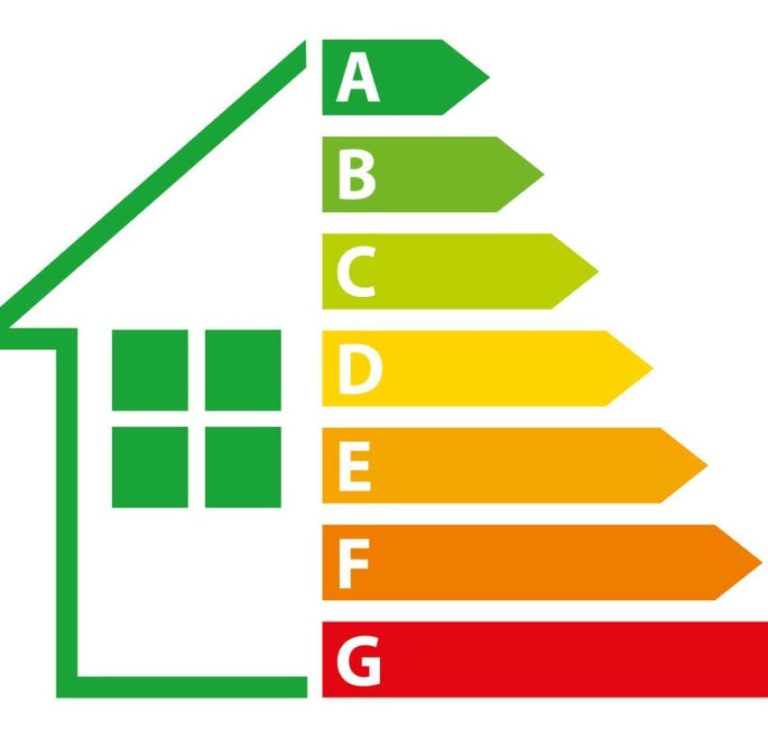
Domestic EPC
Key Details About EPCs:
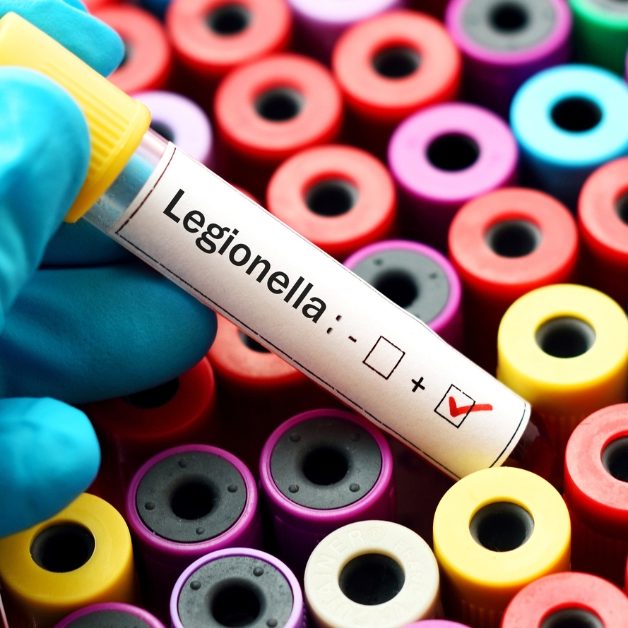
Legionella
What the Inspector Actually Does
A thorough inspection generally follows these key steps:
Asset Register & Site Survey: The inspector creates a list of every water asset in the building, including cold water tanks, hot water cylinders, taps, showers, and outside hoses.
System Schematics: They will often draw or update a "map" (schematic diagram) of the pipework to identify "dead legs"—sections of pipe where water might sit stagnant.
Temperature Monitoring: This is the most critical part. Bacteria thrive between 20°C and 45°C.
Condition Assessment: They check for scale, rust, sludge, or debris in tanks and pipework, as these provide the "food" (nutrients) the bacteria need to grow.
Aerosol Identification: The inspector identifies where water droplets might be sprayed into the air (e.g., showerheads, spray taps, cooling towers, or decorative fountains), as this is how the bacteria enter the lungs.
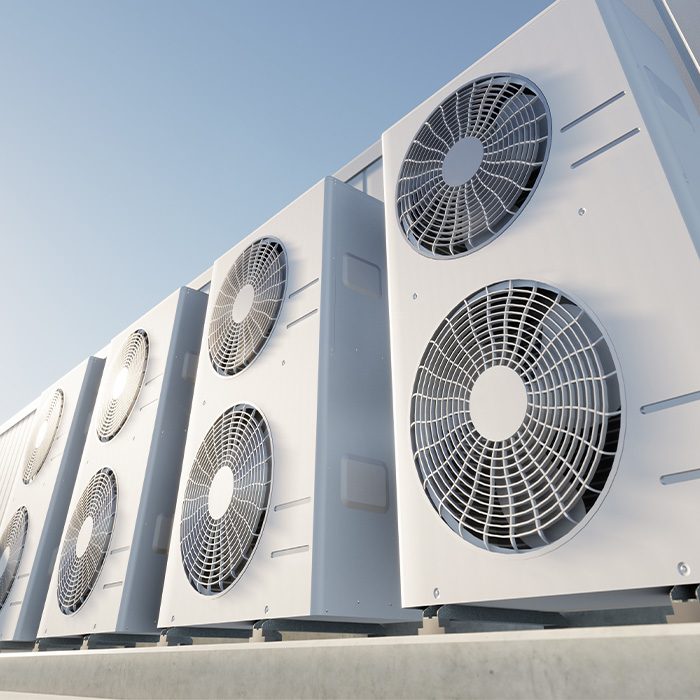
TM44
TM44 inspection pricing is tailored to your specific building. Factors such as the number of units and the overall size of your premises mean that costs differ from site to site.
Requirements also depend on your equipment type:
Level 3: Standard split or multi-split systems.
Level 4: Required for sites with centralized chillers or air handling units.
Because Level 4 assessments involve more comprehensive onsite data collection and technical reporting, they are priced accordingly. Not sure which level you need? We can review your system and advise on the correct compliance path.
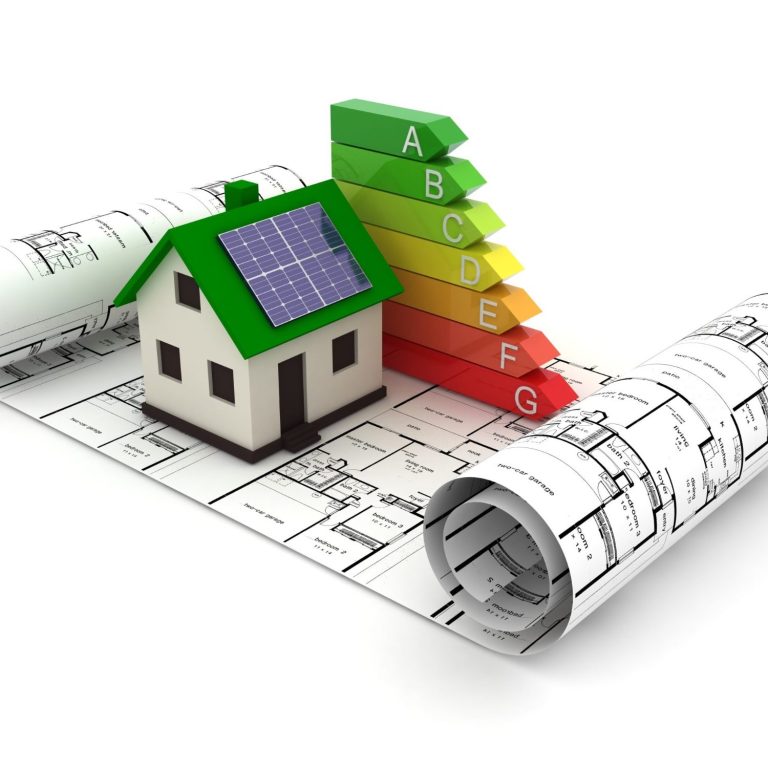
SAP Assessment
What the Assessor Calculates
The assessor inputs data into specialized software to analyze several key factors:
Thermal Envelope: The efficiency of the "skin" of the building (walls, roof, floor, windows, and doors). They look at U-values, which measure how much heat is lost.
Heating & Hot Water: The type of fuel used, boiler efficiency, and the responsiveness of the heating controls (e.g., thermostats and zone valves).
Ventilation: Whether the house uses natural ventilation, extract fans, or a mechanical heat recovery system (MVHR).
Solar Gain: How much "free" heat the house gets from the sun based on the orientation and size of the windows.
Renewable Tech: The impact of solar panels (PV), air source heat pumps, or waste water heat recovery systems.
Lighting: The percentage of fixed high-efficiency (LED) lighting in the home.
Retrofit Assessment
The Energy Report (SAP/RdSAP)
The assessor performs a highly detailed survey of the building's current energy performance.
Dimensional Survey: Measuring every room, window, and door to create an accurate floor plan.
Insulation Checks: Identifying exactly what insulation is present in the lofts, walls, and floors (often using borescoping if necessary).
Heating & Hot Water: Documenting the age, model, and efficiency of the boiler, cylinders, and all controls.
Lighting & Renewables: Accounting for all low-energy lighting and any existing solar panels or heat pumps.
The Condition Survey
This is where Retrofit Assessments differ from standard surveys. The assessor looks for issues that might prevent energy measures from working properly.
Damp, Mold, & Condensation: Identifying any existing moisture issues. Adding insulation to a damp wall can cause structural rot, so these must be solved first.
Structural Integrity: Checking if the walls or roof are strong enough to support external wall insulation or solar panels.
Services: Checking the adequacy of the electrical and gas systems to support new technologies.
PAT Testing
A PAT test is broken down into three main stages:
1. Formal Visual Inspection
The majority of electrical defects are found during this stage.
2. Manual Testing (The PAT Meter)
For equipment that passes the visual check, the inspector uses a specialized PAT testing device to run electronic scans.
3. Documentation & Labelling
Once the tests are complete, the inspector provides:
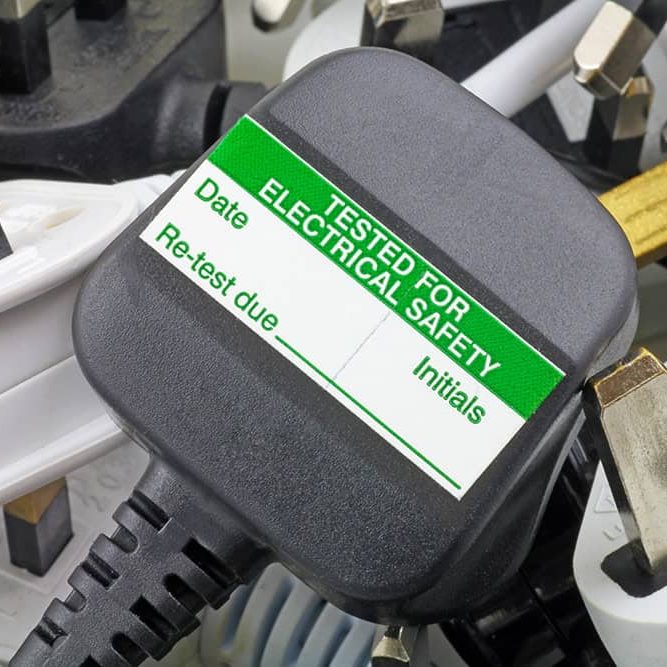
Pass/Fail Labels: Every item is tagged with a sticker showing the date of the test and when the next one is due.
Asset Register: A full list of every appliance tested, including its location and unique ID number.
Detailed Report: A certificate for the business owner to keep for insurance and health & safety compliance.
We need your consent to load the translations
We use a third-party service to translate the website content that may collect data about your activity. Please review the details in the privacy policy and accept the service to view the translations.